









Some of our customers have heard that theory that “glutamine feeds cancer.” Of course on the surface this statement would cause concern for anyone. We all want to avoid known carcinogens as far as possible, so lets look at the science and understand if there is any link between glutamine and cancer.
The short answer?
Let's get this one out of the way quickly; Glutamine does not cause cancer.
Cancer stems from DNA mutations, not from nutrients like glutamine that every healthy person already carries in large amounts. There is, however, one very specific condition where glutamine should be avoided. We will address that condition later in this article.
Glutamine is a normal part of your biology
Glutamine is the most abundant amino acid in your body. You have tens of grams of glutamine in your bloodstream and muscles at any given moment. Your immune system, gut lining, and repair processes cannot function without it. If glutamine really was carcinogenic, every human would develop cancer from a very early age. This is obviously not the case.
Why the confusion exists
Just like sugar (glucose), fats and other animo acids in your body, cancer cells can use glutamine as one of their fuels. But the common process of cancer using a nutrient is not the same as that nutrient causing the cancer.
Cancer cells actually prefer glucose and only switch to glutamine as a backup fuel. This metabolic flexibility is part of the disease, not a danger in the nutrient itself. Cancer cells have learned to use this backup fuel, because it is always available.
You can’t “starve cancer” of glutamine
Even if someone tried to avoid glutamine completely in food to deprive cancer of the backup fuel, the body simply makes more. Healthy tissues and especially immune cells need it too. That’s why research shows that glutamine depletion is both unsafe and ineffective, as the body protects its glutamine levels tightly.
What clinical studies actually show
Clinical trials show that glutamine supplements do not make cancer grow faster.
Across several studies:
-
Tumour growth and survival outcomes were the same with or without glutamine.
-
Glutamine did not interfere with chemotherapy or radiation.
-
Glutamine often helped patients by reducing side effects like mouth sores, gut irritation, nerve pain, and immune suppression.
In other words: glutamine supports the patient, not the tumor. It is used in oncology (cancer treatment) to support the body during the treatments that can tax the body.
One (critical) exception: active gastrointestinal cancers
There is one nuance doctors will often mention.
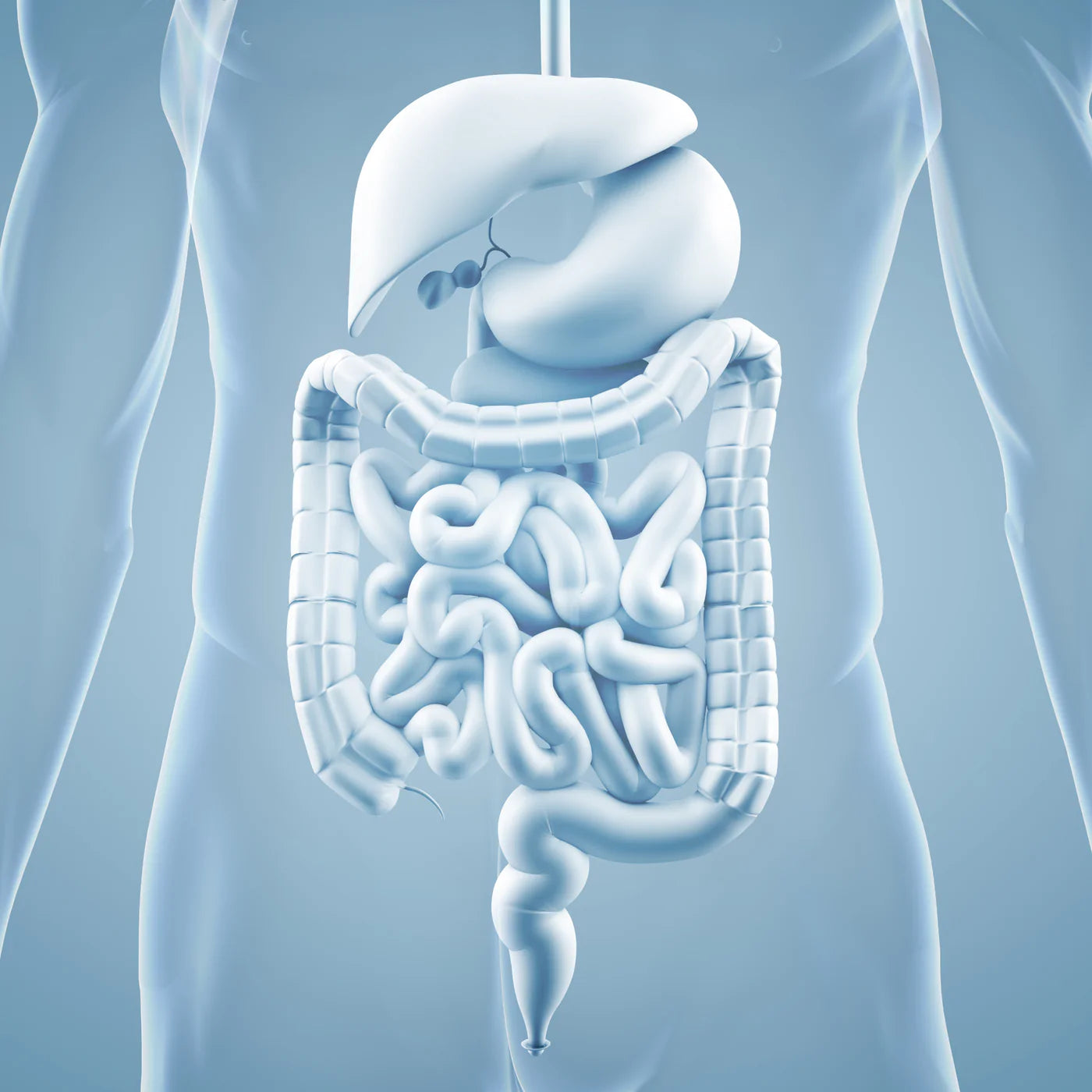
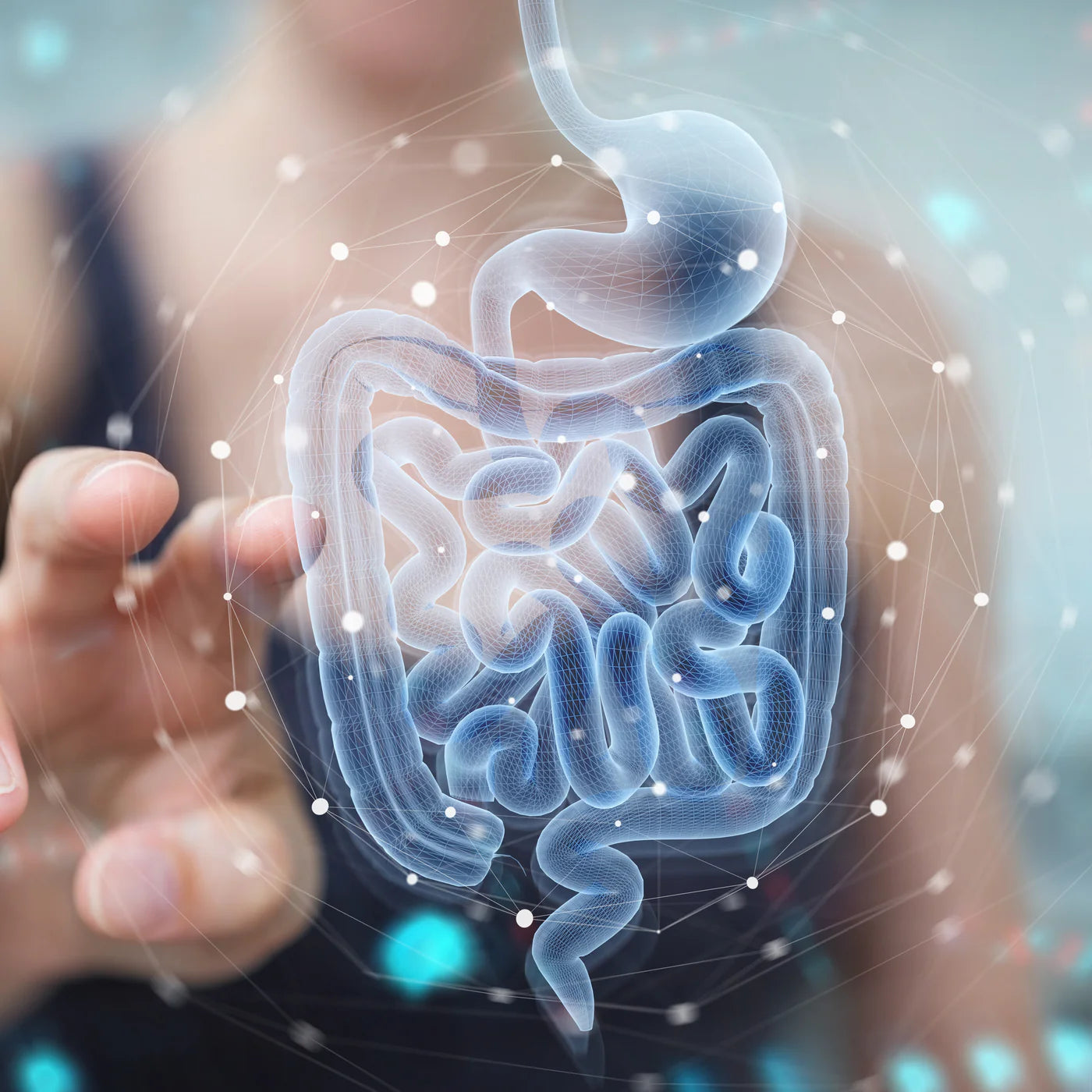
If a person has a tumour directly in the gut or liver, high-dose oral glutamine may reach that area before the rest of the body absorbs it. This is because the gut and liver use up most of any dietary glutamine before it even reaches the blood. Since glutamine is easily used by the tumor right at the site, high doses of glutamine is to be avoided. This is purely because of location of the cancer.
For everyone else, including people with cancers outside the gut/liver, glutamine remains widely considered safe.
Glutamine is basic human biology, not a cancer threat. It’s an essential nutrient that everyone has large amounts of at all times to sustain normal cell function. While tumours can use glutamine as fuel, it’s no more dangerous in that sense than glucose or other nutrients that tumours also use. The exception to the rule are people with active gastrointestinal cancers - who do well to avoid glutamine.
References:
- Papanikolopoulou A, Syrigos N, Vini L, Papasavva M, Lazopoulos G, Kteniadakis S, Spandidos DA, Charpidou A and Drakoulis N: Use of oral glutamine in radiation‑induced adverse effects in patients with thoracic and upper aerodigestive malignancies: Results of a prospective observational study. Oncol Lett 23: 19, 2022.
- Memorial Sloan Ketterin Cancer Center: Glutamine
- Klimberg VS, McClellan JL. Claude H. Organ, Jr. Honorary Lectureship. Glutamine, cancer, and its therapy. Am J Surg. 1996 Nov;172(5):418-24. doi: 10.1016/s0002-9610(96)00217-6. PMID: 8942537.
- Nan, D., Yao, W., Huang, L. et al. Glutamine and cancer: metabolism, immune microenvironment, and therapeutic targets. Cell Commun Signal 23, 45 (2025). https://doi.org/10.1186/s12964-024-02018-6
- Dr. Rhonda Patrick & Dr. Dominic D'Agostino: Considerations for glutamine supplementation as it relates to gut health and cancer
- The Cleveland Clinic: L-Glutamine
- Healthline: Is There a Connection Between Glutamine and Cancer?